Creatine for Combat Sports
- UNITE MMA
- 1 day ago
- 3 min read
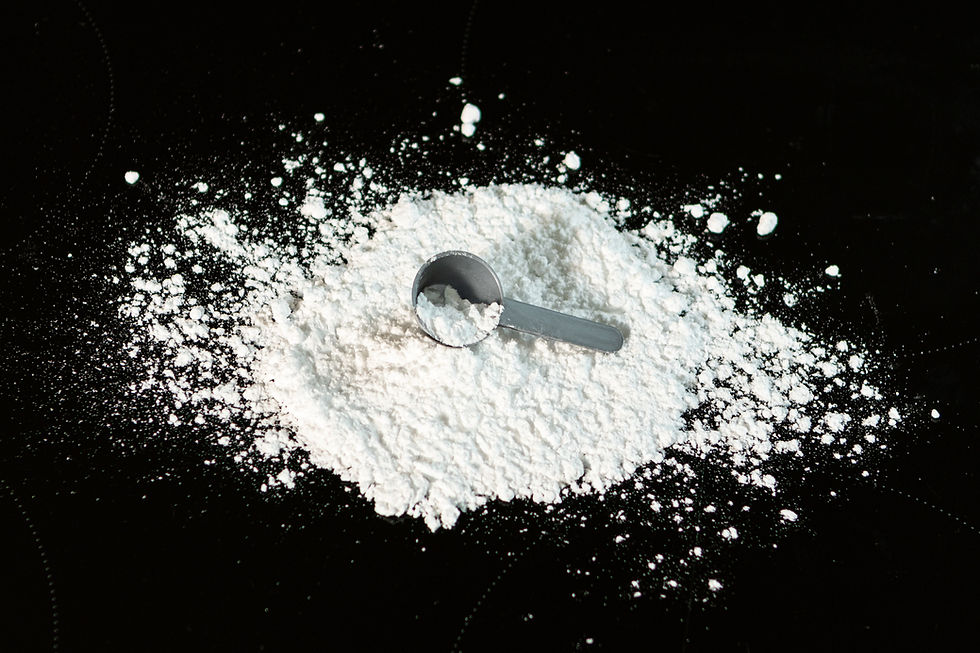
What It Does, Who It’s For, and What the Science Actually Says
Creatine is one of the most researched supplements in sport.
It’s also one of the most misunderstood — especially in combat sports, where concerns around weight, water retention, safety, and “bulking” often cloud the conversation.
This article explains what creatine actually does, how it applies to combat athletes, and when it does — and doesn’t — make sense to use it.
What Creatine Is (In Simple Terms)
Creatine is a naturally occurring compound found in:
muscle tissue
the brain
small amounts in foods like red meat and fish
In the body, creatine helps regenerate ATP — the primary energy currency used for short, intense efforts.
These include:
explosive movements
short bursts of power
repeated high-intensity efforts
Which is why creatine is relevant to combat sports.
Why Creatine Matters in Combat Sports
BJJ, No-Gi and MMA all rely on:
repeated explosive actions
grip strength and isometric holds
short bursts under fatigue
recovery between rounds or efforts
Creatine supports:
faster ATP regeneration
improved repeat-effort performance
better strength maintenance under fatigue
This doesn’t mean “instant strength”.
It means less drop-off over time.
Creatine and Energy Systems
Creatine primarily supports the phosphocreatine system — the energy system responsible for:
efforts lasting ~1–10 seconds
repeated bursts with short rest
In combat sports, this shows up as:
scrambles
takedown attempts
grip battles
explosive transitions
Creatine doesn’t replace conditioning.It supports the energy system that conditioning relies on.
Does Creatine Cause Weight Gain?
This is one of the most common concerns.
Creatine can increase intramuscular water content, not subcutaneous water.
That means:
water is stored inside muscle cells
not under the skin
not “bloat”
Some athletes may see a small increase (1–2 kg) initially.
For most:
this stabilises over time
performance improves
body composition does not worsen
For athletes in strict weight classes, timing matters — not avoidance.
Creatine and Cognitive Performance
Emerging research shows creatine also supports:
brain energy metabolism
cognitive performance under fatigue
resilience to sleep deprivation
This matters in combat sports, where decision-making:
happens under stress
deteriorates with fatigue
Creatine is not just a muscle supplement — it’s a neurological one.
Is Creatine Safe?
Creatine is one of the most extensively studied supplements available.
In healthy individuals, long-term use has not been shown to:
damage kidneys
disrupt hormones
cause dehydration
Key conditions:
adequate hydration
appropriate dosing
no underlying kidney disease
For adolescents, safety depends on:
appropriate dosage
supervision
adequate nutrition overall
Creatine should never replace food intake.
Who Creatine Is Most Useful For
Creatine tends to benefit:
athletes training multiple times per week
those doing strength + skill sessions
grapplers and wrestlers
athletes doing repeated high-intensity efforts
It may be less impactful for:
very low-volume trainers
athletes under-eating significantly
those prioritising endurance only
Creatine amplifies training — it doesn’t compensate for poor recovery.
How Much to Take (Evidence-Based)
Most research supports:
3–5g per day
taken consistently
Loading phases are optional, not necessary.
Consistency matters more than timing.
When to Take It
Creatine timing is flexible.
It can be taken:
pre-training
post-training
or any time of day
What matters is:
daily intake
adequate hydration
pairing with a well-fuelled diet
Creatine and Weight Cuts
Creatine should not be introduced:
immediately before a weight cut
during aggressive restriction
Best practice:
use creatine during training blocks
discontinue temporarily if needed for weigh-ins
resume during off-season or build phases
Creatine supports training — not last-minute manipulation.
Creatine for Teen Athletes
For teens, creatine is not a necessity.
If used, it should be:
conservative in dose
paired with adequate food intake
supervised
secondary to sleep, nutrition, and training quality
Food, recovery, and development come first.
The Bigger Picture
Creatine isn’t a shortcut.
It’s a support tool.
When training, nutrition, sleep, and recovery are in place, creatine can:
improve repeat-effort performance
reduce performance drop-off
support cognitive resilience
When those foundations aren’t in place, creatine does very little.
Simple Summary
Creatine:
supports high-intensity performance
helps maintain power under fatigue
is well-researched and generally safe
requires consistency, not cycling extremes
It works best when the basics are already handled.
Final Thought
Creatine doesn’t make athletes better by itself.
It allows well-prepared athletes to express what they’ve already trained — more consistently, for longer, and under pressure.
That’s why it continues to be used across elite sport.
